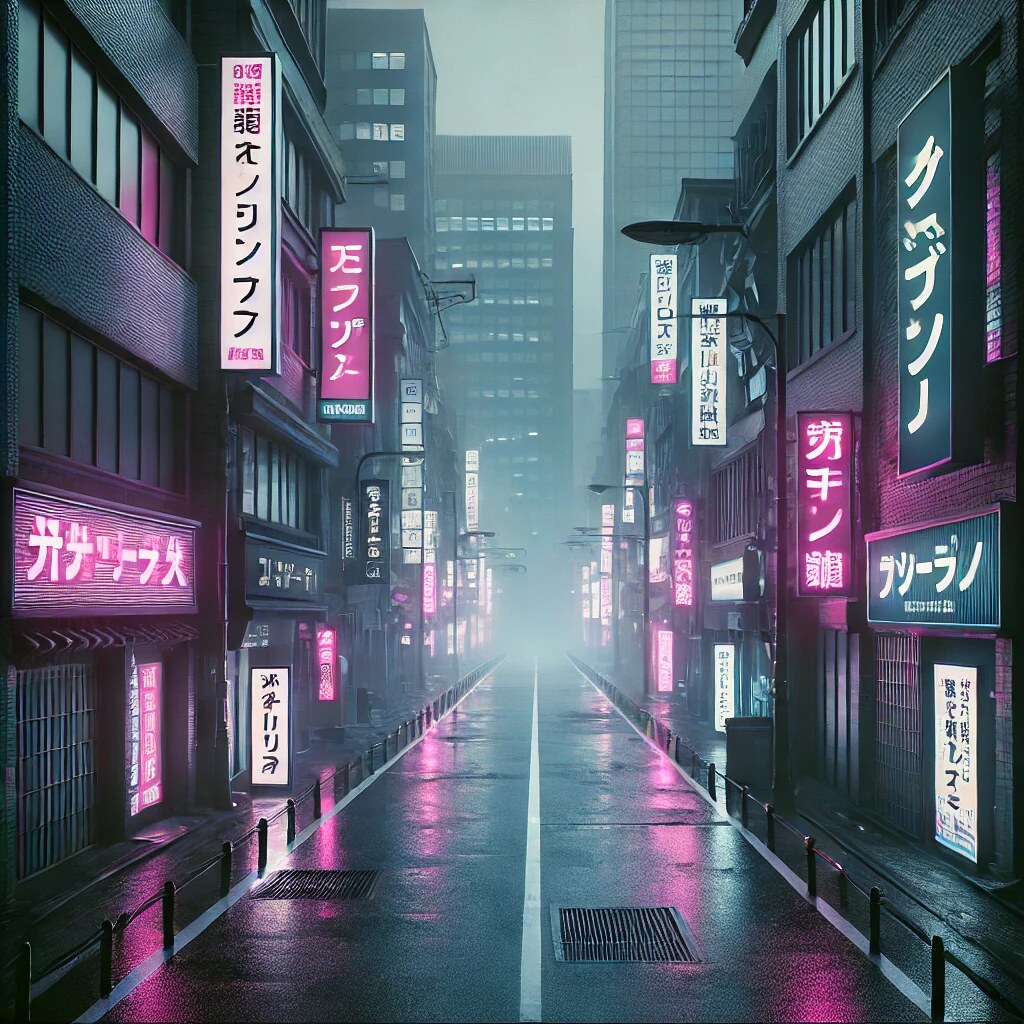
I was born in a fishing village called Shenzhen in 1975. Dusty roads, rice paddies. Buying fish that were still gasping. Then, one day, the roads weren’t dusty anymore. They were concrete.
I identify as.: My pronouns are.
Paddies vanished under scaffolding. Markets made way for malls. Foreigners started showing up in pressed shirts, talking about opportunities, and overnight, factories swallowed the horizon.
By the time I was a teenager, the city was was mutating. I’d go to sleep and wake up to find a new skyline. The pace was absurd.
Someone’s uncle would be repairing bicycles one week, running a factory the next. People made fortunes before they knew how to spend them. People lost everything before they knew it was gone.
By the 90’s Shenzhen was a neon hallucination. Everything moved fast; money, deals, people. No one asked where you came from, only what you were building. It was chaos, but it was my kind of chaos. I understood it.
By my thirties, the city had evolved again. The factories still hummed making drones and smartphones instead of cheap radios.
The guys who had been smuggling cassette players across the border in the ’80s were now tech CEOs. If you couldn’t keep up, you got left behind. Simple as that.
Rules? Rules were suggestions. One day something was illegal, the next, it was encouraged; just depended on who was making money from it.
Growth wasn’t just an ambition; it was the only option. Everything got bigger, faster. You either moved or got buried under the next wave.
Then I left and moved to a normal place. A city where people still lived in the same buildings their grandparents did, where laws took years to change, where you needed fifteen signatures to build a shed. And I didn’t get it. Why cling to the past when you could just make something better? Why did people talk about heritage like it was a good thing?
I watched them argue about infrastructure projects that would take five years. Five years. In Shenzhen, we built entire districts in that time.
They talked about innovation, but everything felt slow, old. I’d check the news and see Shenzhen had just built another tech hub the size of a small country. Meanwhile, here, they were still discussing where to put a bike lane.
Then there was their attitude to the the future. They trusted it. Assumed tomorrow would look like today. But I knew better. I had seen entire streets, entire industries, entire lives disappear overnight. Nothing is permanent. Not really.
Shenzhen taught me that. Some things you just don’t un-learn
Back in the 90s, computer science degrees weren’t really a thing. Not the way they are now. The internet barely existed outside of universities, and even if you could get online, it was mostly a few ugly pages with blinking text and under-construction GIFs. There was no Stack Overflow, no GitHub, no endless feed of junior devs confidently posting bad advice on LinkedIn. So, I studied psychology.
I picked it because it sounded interesting, and I was bored of the Shùxué (数学), Wùlǐ (物理), Huàxué (化学) I studied at High School.
At first, Psychology felt like the science of stating the obvious. People get stressed before exams? No shit. Then I discovered cognitive biases, and that changed everything. I started seeing them everywhere. How people deceive themselves, how they overestimate their abilities, how they confidently get things wrong. And later, in software engineering, I saw it play out in real-time.