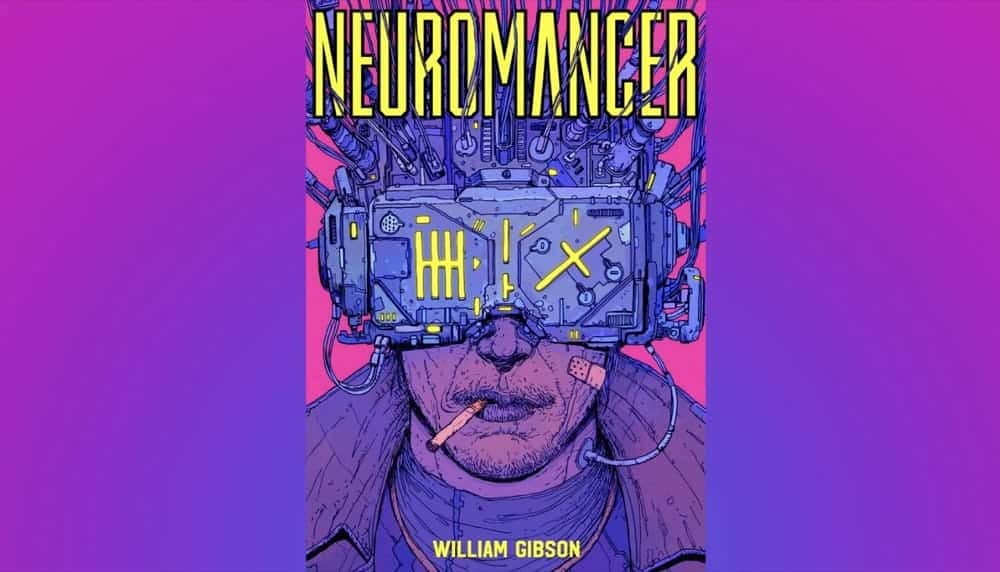
Neuromancer’s (1984) portrayal of AIs striving for autonomy foreshadowed real-world debates. Neuromancer didn’t predict the future: it just defined how to imagine it
Why Neuromancer is Seminal in Sci-Fi
- Defined Cyberpunk: Cemented the “high-tech/low-life” blend of futuristic tech and gritty urban decay.
- Cyberspace: Popularized the idea of a shared, immersive digital network, anticipating the internet and VR.
- AI & Corporations: Explored powerful artificial intelligences and megacorporations: core cyberpunk themes.
- Literary Style: Mixed noir, crime fiction, and postmodern sensibilities, breaking from traditional space opera.
Influence on Pop Culture
- Film:
- The Matrix (1999) drew directly from Gibson’s concepts of jacking into virtual realities.
- Visual DNA of cyberpunk cityscapes echoes in Blade Runner’s successors, Akira, Ghost in the Shell.
- Games:
- Deus Ex, Cyberpunk 2077, Shadowrun: all inherit Gibson’s hacker/AI/corporate dystopia.
- Language & Culture:
- Coined “cyberspace,” influencing how society imagined the internet.
- Helped define hacker culture’s aesthetic and ethos.
- Fashion & Music:
- Influenced industrial, techno, and punk subcultures in look and attitude.
- AI Discourse:
- Its portrayal of AIs striving for autonomy foreshadowed real-world debates.
Timeline of Influence
- 1984: Neuromancer published. Hugo, Nebula, and Philip K. Dick Award winner.
- 1988: Akira anime film: cyberpunk visuals echo Gibson’s urban chaos.
- 1995: Ghost in the Shell anime explores cyberbrains, hacking, and identity.
- 1999: The Matrix brings Gibson’s cyberspace vision mainstream.
- 2000s: Deus Ex series builds on themes of augmentation, AI, and conspiracy.
- 2010s-2020s: Cyberpunk resurgence: Blade Runner 2049, Cyberpunk 2077, discussions of AI ethics.
William Gibson
American-Canadian writer who has been called the father of the cyberpunk subgenre of science fiction, having coined the term cyberspace in 1982 and popularized it in his first novel, Neuromancer (1984), which has sold more than 6.5 million copies worldwide.